Elevate Your Brand Prominence With Expert Advertising Solutions for Highest ROI
Brand visibility functions as a vital role in the success of any organization. Expert advertising services can substantially improve this visibility, boosting profitability. By adopting multi-channel strategies, enterprises can engage defined market segments more productively. However, the landscape of advertising is perpetually transforming. Recognizing the details of bespoke campaigns and data-driven decisions is imperative. What are the key elements that truly generate brand recognition and loyalty in today's fierce market?
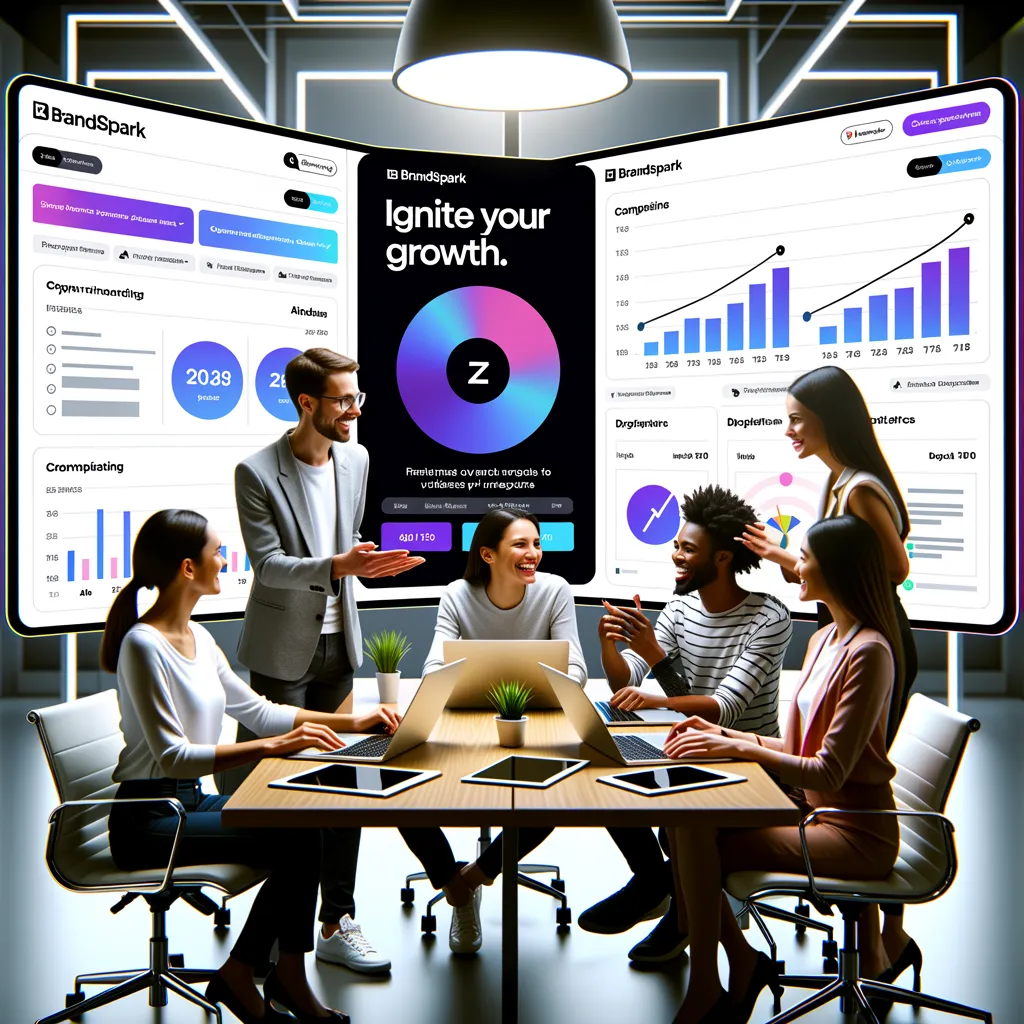
The Vital Nature of Brand Profile in Advertising
In an competitive marketplace, the importance of brand awareness in advertising cannot be understated. Strong brand visibility guarantees that target audiences recognize and recall a brand within a sea of competitive alternatives. High visibility leads to increased awareness, which is critical for attracting new customers and keeping current customers.
Whenever a brand demonstrates consistent presence across diverse channels—be it established outlets, digital channels, or social networks—it creates a potent presence that builds integrity and reputation. Shoppers are more likely to participate with brands they recognize, establishing recognition a key factor of purchasing decisions.
Additionally, strong corporate presence facilitates differentiation, allowing companies to present their unique value propositions. In a competitive environment where consumers are bombarded with choices, organizations that effectively enhance their recognition read more can create a specialized market segment, driving strengthened customer dedication and ultimately, better monetary outcomes. Therefore, focusing on brand visibility is essential for long-term success.
How Experienced Promotional Services Can Increase Your Market Presence
Expert promotional solutions play a essential role in broadening market presence by effectively engaging intended customers. Through diverse platform marketing approaches, companies can connect with potential customers across various platforms. Additionally, analytics-based strategy refinement ensures that advertising efforts are continuously refined for optimal results.
Focused Reader Engagement
Harnessing the potential of focused consumer interaction is essential for organizations seeking to increase their market presence. Expert advertising services enable this engagement by implementing analytics-based approaches that identify specific demographics and purchasing patterns. By understanding the desires and requirements of their target audience, organizations can customize their messaging to resonate more productively. This personalized approach not only enhances consumer relationships but also increases the likelihood of sales. Interacting with the audience through relevant content and participatory initiatives builds commitment and stimulates word-of-mouth promotion. In addition, continuous analysis and adjustments based on consumer input guarantee that advertising efforts remain aligned with consumer interests, maximizing overall performance. Ultimately, targeted audience engagement is a pivotal factor in driving brand visibility and realizing sustainable growth.
Multiple-Channel Advertising Approaches
Effective cross-platform marketing strategies are indispensable for firms striving to enhance their visibility in today's tough business landscape. By harnessing different platforms—such as digital networks, email marketing, search engines, and traditional media—firms can engage with broad customer demographics productively. Professional marketing services streamline the seamless integration of these media channels, ensuring consistent messaging and brand presence at every customer interaction point. This strategy improves brand awareness while enabling focused marketing campaigns adapted to target markets. When consumers interact with enterprises via numerous media channels, sustaining a integrated approach is vital for maximizing results. Deploying multichannel methods, enterprises can substantially broaden their audience base, driving higher customer engagement and in the end raising ROI.
Data-Driven Campaign Optimization
While many brands recognize the value of reaching their target audience, analytics-based campaign optimization is vital for boosting effectiveness and expanding reach. Expert advertising services leverage analytics to identify patterns in consumer behavior, enabling brands to tailor their messaging and strategies. By utilizing data from various channels, such as social media and email marketing, these services can pinpoint the most effective platforms and times to engage audiences. This targeted approach enhances engagement rates and drives conversions. Additionally, continuous monitoring and adjustment based on real-time feedback guarantee that campaigns remain relevant and impactful. Ultimately, data-driven optimization not only broadens brand visibility but also maximizes return on investment, making it a fundamental component of modern advertising strategies.
Selecting the Best Advertising Strategy for Your Company
Analyzing competitors, also, can provide insights into successful approaches within the industry. Budget constraints must be factored in, as they define the scope and kind of advertising efforts possible. Businesses should examine various channels, including social media, email campaigns, and traditional media, to identify the best fit. Ultimately, a individualized strategy that fits specific goals and audience preferences will boost brand visibility and stimulate engagement.
Approaches for Tracking Your Ad ROI
Measuring advertising ROI is essential for companies aiming to understand the effectiveness of their advertising expenditures. To evaluate ROI, companies can begin by determining the total revenue generated from a particular advertising campaign. This requires monitoring revenue data linked to the campaign, often through distinctive promotional codes or specialized landing pages.
Next, organizations should figure out the total cost of the promotional activities, including creative work, media buys, and any associated operational costs. The return on investment can then be calculated using the calculation method: (Revenue - Cost) / Cost. This indicator delivers a straightforward understanding of the financial return on promotional budget.
Moreover, entities can employ analytical tools and data platforms to gather data, guaranteeing accurate tracking of client touchpoints and sales outcomes. By continuously measuring ROI, businesses can strengthen their marketing tactics, optimize budget allocations, and eventually strengthen their promotional success.
Building Adapted Programs for Superior Impact
Creating customized marketing initiatives can significantly boost brand visibility and interaction. Through examining audience segments, businesses can develop personalized messages that resonate with specific audiences. This approach not only grabs interest but also fosters a bond between the company and consumers.
Leveraging data analytics enables businesses to refine their strategies on a continuous basis. For example, A/B testing different ad formats and messaging can show what resonates most effectively, leading to optimized performance. In addition, multichannel strategies guarantee that personalized communications reach audiences across different channels, amplifying impact.
Incorporating seasonal trends as well as consumer feedback into campaign design can further refine relevance, portraying the brand as on-trend and responsive. Ultimately, investing in custom campaigns leads to higher conversion rates and improved customer loyalty, making it a key strategy for maximizing advertising ROI.
Principal Advertising Barriers and Plans to Address Them
Advertising can cause numerous barriers that hinder brand visibility. Common omissions often develop from a want of clear blueprint and understanding of the intended market. Highlighting these issues and instituting strong strategies is paramount for maximizing advertising consequence.
Ordinary Advertising Problems
Steering through the intricate landscape of advertising can often lead to expensive mistakes that curtail market awareness. Frequent pitfalls include targeting the wrong audience, which can waste resources and dilute messaging. Additionally, downplaying performance metrics may yield ineffective endeavors that fail to resonate with potential customers. Sidestepping the essentiality of a consistent brand image is another fault that can bewilder consumers and weaken brand character. Moreover, meager budget management can impede campaign reach, hampering overall impact. Finally, resisting evolution to market trends can render frameworks obsolete. By spotting these universal mistakes, brands can enact preventive measures to optimize their approaches, ensuring they heighten visibility and return on investment.
Productive Strategy Integration
Recognizing and addressing common advertising mistakes is essential for brands seeking to boost their visibility. Many brands often underestimate the importance of targeting their audience effectively, leading to wasted resources and minimal impact. Another pitfall is neglecting to monitor and adjust campaigns based on performance metrics. To overcome these challenges, brands should commit to thorough market research to understand their audience better. Implementing A/B testing can also help identify the most effective messaging and platforms. Additionally, setting clear objectives and KPIs can guide strategy adjustments in real time. By fostering a culture of continuous improvement, brands can navigate advertising pitfalls and maximize their return on investment, ultimately enhancing their visibility in a competitive marketplace.
What New Trends Appear in Marketing Now?
As brands maneuver through the shifting backdrop of consumer behavior, they more often utilize innovative methods to enhance their recognition. One substantial trend is the rise of personalized advertising, harnessing data analytics to deliver personalized messaging that resonate with to end users. Additionally, video content continues to dominate, with short-form videos gaining traction across web-based channels, engaging audiences effectively.
Sustainability and social consciousness are also critical, as brands commit to eco-friendly practices and partner with social causes, strengthening connections with their target demographics. Influencer marketing remains an integral component, advancing to include micro and nano influencers who often generate higher engagement rates.
Furthermore, the integration of AR technology offers immersive encounters that enable consumers to see products in real time. As these trends transform the advertising landscape, companies need to stay agile to sustain relevance and increase their return on investment.
Often Asked Queries
What Budget Should I Allocate for Marketing Services?
An financial distribution for marketing services usually falls from 5% to 10% of annual revenue. Businesses should examine their aims, customer base, and competitive landscape to determine the most effective investment for desired outcomes.
How Extended Might It Take to Realize Success From Your Marketing Strategy?
Results from marketing can generally be observed within a few weeks to several months, depending on factors like campaign type, target audience, and budget. Regular monitoring and adjustments may improve effectiveness and speed up results.
Will I Be Equipped to Handle My Marketing Campaigns Independently?
Yes, people can oversee their advertising campaigns on their own. However, it calls for a solid understanding of marketing principles, tools, and analytics to enhance performance effectively and achieve target outcomes over time. Commitment and knowledge are critical.
Which Services Are Best for My Particular Target Group?
Determining the most suitable platforms for your target audience entails assessing demographic data. Typical selections feature Facebook for maximum visibility, Instagram for youth audiences, LinkedIn for corporate users, and TikTok for compelling content targeted at Gen Z.
How Frequently Should I Refresh My Advertising Content?
Marketing content should be updated regularly, ideally every 4 to 6 weeks. This frequency secures appeal and interaction, enabling brands to adapt to audience preferences and market trends while maintaining a dynamic and compelling presence.